

Studies have found that sober living homes improve abstinence rates, reduce alcohol-related crimes and increase the number of individuals who find employment after rehab. Without the worry of whether you’re going home to a healthy, safe environment, people in recovery can focus more on their future plans and staying sober. Individuals concerned about their alcohol consumption or drinking habits may benefit from understanding the signs and symptoms of this disorder. This can allow for early intervention and treatment while reducing the potential impacts on mental and physical health. If you do not have health insurance or cannot afford treatment, speak with a treatment provider now to discuss options. Alcohol is the most commonly used substance in the United States.
The Benefits Of Inpatient Rehab
Navigator focuses on evidence-based alcohol treatment, telling you what you need to know about AUD and treatment options, and helping you find the right treatment for you—and near you. Alcohol can affect people differently, and one heavy drinker might be very different from another. Some people who consume alcohol excessively might show very little behavioral change when sober or drunk.
Sober Living Homes
Sometimes, if the warning signs of alcoholism are caught in the early stages, an outpatient setting may provide sufficient treatment. This allows you to carry on with daily activities such as work or school, family obligations and other responsibilities. However, if you have struggled with years of heavy drinking, an inpatient treatment center may provide the best recovery options. National support groups include Alcoholics Anonymous, which is for the person in recovery, and Al-Anon, which is a support group for their families. Smaller, more specific groups are generally geared towards different age groups, genders and populations affected by addiction (family members and friends). Support groups vary by city, so check with your treatment provider or counselor to find the ones closest to you.
- One of the main components of substance abuse treatment is the fellowship that is created between staff, counselors, and fellow recovering individuals.
- Once you quit drinking, it takes time for your body to get back to a normal state.
- A recovery support group that helped a friend or family member find sobriety might not necessarily work for you.
- The Navigator can help you find some mutual-support groups to consider.
- Mixing drinking and drugs can lead to extremely dangerous interactions.
Psychological and social symptoms
- When someone is going through recovery, cravings and urges can be difficult to ignore.
- Learn how to find higher quality, science-backed alcohol treatment to raise your changes for success.
- Physically, people who drink often have bloodshot eyes, slurred speech, a lack of coordination, poor judgment, and inappropriate behaviors.
Although there are many similarities between an inpatient and outpatient rehab program, they also have their differences. Outpatient programs are usually not as intensive and give you the freedom to work or go to school while getting treatment. They’re a great option for those who have a stable home environment and do not have a serious drinking problem.
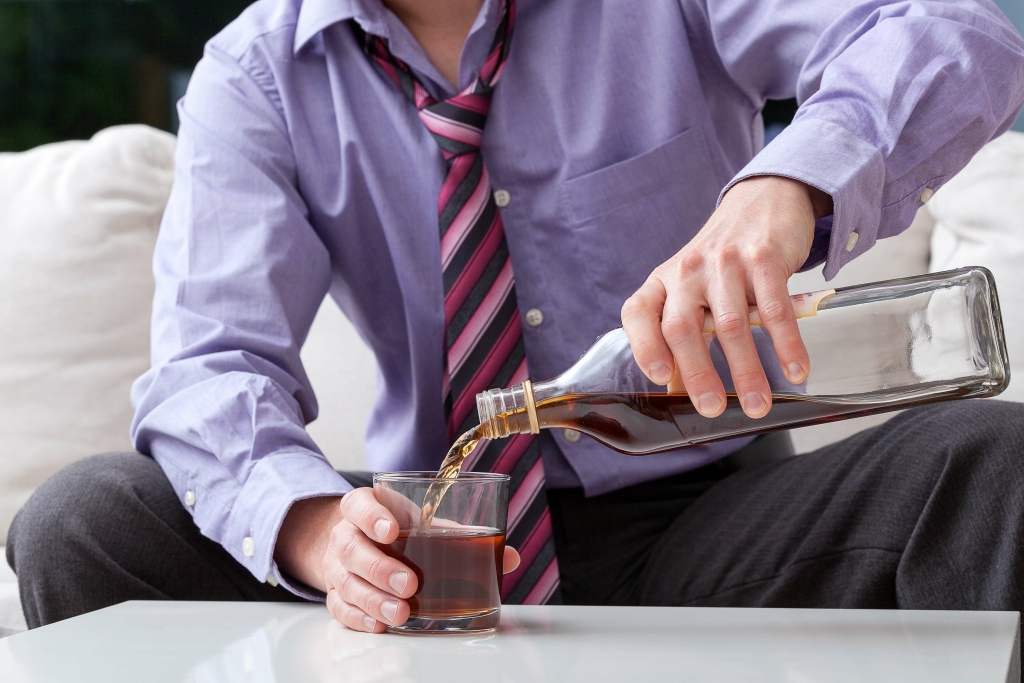
Am I An Alcoholic? Signs, Symptoms, And Treatment Options
However, there is help available for those with alcohol use disorder. However, it caters to people who want to tackle alcohol abuse as well as co-occurring mental health issues. As the name implies, peer support groups involve meeting with other people who are either coping with alcohol abuse and addiction or have overcome it. Members of a peer group aren’t necessarily professionals; however, they do have personal experience. You’re likely to start by seeing your primary health care provider.
NA and Other Peer Support Groups for Drug Addiction
Meetings take place at least weekly and range from 60 to alcohol addiction help 90 minutes in length. The cycle of sobriety involves regular acknowledgment of the addiction, acceptance of the addiction, and the prioritization of sobriety. BetterHelp is an online therapy service that matches you to licensed, accredited therapists who can help with depression, anxiety, relationships, and more.
Throughout the country, alcohol treatment centers are staffed with professionals who will guide you through each step of the recovery process – from detox to life after rehab. Think of them as your 24/7 support system who are there to celebrate your successes and work with you through any challenges. Many health care professionals and programs have offered telehealth alcohol treatment for years. Now, since the pandemic, more providers are offering phone or video sessions.
- The meetings might be online or in person, and a group facilitator often guides participants through discussions or activities.
- Don’t let the fear of possible withdrawal symptoms prevent you from getting the help you deserve.
- Finding the right way to approach someone you think may have an alcohol use disorder can be tough.
Sobriety in AA: We made changes to stop drinking
The organization’s 4-Point Program empowers you to overcome alcoholism, teaches you how to maintain sobriety, and gives you the tools for a balanced life. Whenever someone needs help, they can get it from the comfort of their own home and on their own time. For those who may need help working through the complex emotions and feelings that accompany alcohol addiction, this type of resource can be invaluable.
You can also narrow your search by geographic area, mental wellness topics, and other factors. Similar to AA, Secular Organizations for Sobriety (SOS) offers meetings that alcoholics can attend in order to get and remain sober. There are a variety of SOS meetings that take place in cities across alcoholism the United States, as well as online groups.